
本文由 图石设计 授权mooool发表,欢迎转发,禁止以mooool编辑版本转载。
Thanks ToThree for authorizing the publication of the project on mooool, Text description provided by ToThree.
图石设计:蠡园位于风景秀丽的蠡湖之滨,是国家重点名胜区“太湖”的主要景点之一。它因2500年前范蠡与西施的浪漫故事而闻名,更以自然天成与人工修饰相结合而独具风格:曲岸枕水,亭台桥榭错落于绿树花影之间,展现出江南水乡园林特有的柔美与灵气。
ToThree: Situated on the scenic shores of Li Lake, Li Garden is one of the key attractions within the Tai Lake National Scenic Area. Renowned for the romantic legend of Fan Li and Xi Shi from 2,500 years ago, the garden uniquely blends the natural and the man-made: winding banks rest on the water, while pavilions and bridges intersperse among trees and blossoms, embodying the gentle elegance and poetic spirit of Jiangnan’s water-town gardens.
▽蠡园标识设计


在这样一座典型的江南园林中进行环境信息设计,对图石设计而言是一场全新的探索。项目伊始,我们便思考:当现代的导示系统介入一个充满诗意与历史积淀的空间,它应以何种姿态出现?
现场考察时,我们几乎立刻达成共识——设计应最大限度地尊重园林本身。江南园林的营造者,多为中国传统社会中退隐的士人或官僚,他们秉持“天人合一”的自然观,赋予园林含蓄委婉的审美气质与精致细腻的生活态度。
在这样的文化语境中,我们希望导示系统不仅提供方向,更能成为理解园林的另一种“文本”——一部写在空间里的江南园林说明书,让人从信息的线条与结构中,读出园林的节奏与秩序。
Designing an environmental information system within such a quintessential Jiangnan garden was a new exploration for To Three. From the very beginning, the team asked:
When a modern wayfinding system enters a space steeped in poetry and history, how should it appear?
During on-site studies, the design team quickly reached a consensus — the system should respect the garden itself to the greatest extent. The creators of Jiangnan gardens were often retired scholars or officials of traditional Chinese society, who upheld a worldview of “the unity of man and nature.” They imbued their gardens with a restrained aesthetic and an exquisite lifestyle sensibility.
Within this cultural context, To Three sought to make the signage system more than a navigational tool — it should become another form of text for understanding the garden,
▽公园鸟瞰


▽与环境呼应的标识标牌


因此,要设计出真正契合园林精神的导示系统,必须先理解其文化根基与审美价值。江南园林常常承载着主人个人的精神寄托,或归隐之念,或比德于物,或标榜高洁。作为私家园林,早期并不存在公共环境信息的需求,园中空间皆融入家眷日常。而今作为公共场所开放,游览体验却离不开导示系统的组织。遗憾的是,现代导示常以过强的存在感介入,破坏了园林的意境与宁静。
To design a system that truly embodies the garden’s spirit, one must first understand its cultural roots and aesthetic values. Historically, Jiangnan gardens often expressed their owners’ spiritual ideals — retreat, moral symbolism, or purity. As private spaces, they originally required no public wayfinding; all movement was intertwined with family life. Yet now, as public parks, navigation is indispensable. Unfortunately, many modern signage systems impose themselves too heavily, disrupting the serenity of these historical landscapes
▽原立板标识对环境过强的介入感和现状设计融入环境的对比
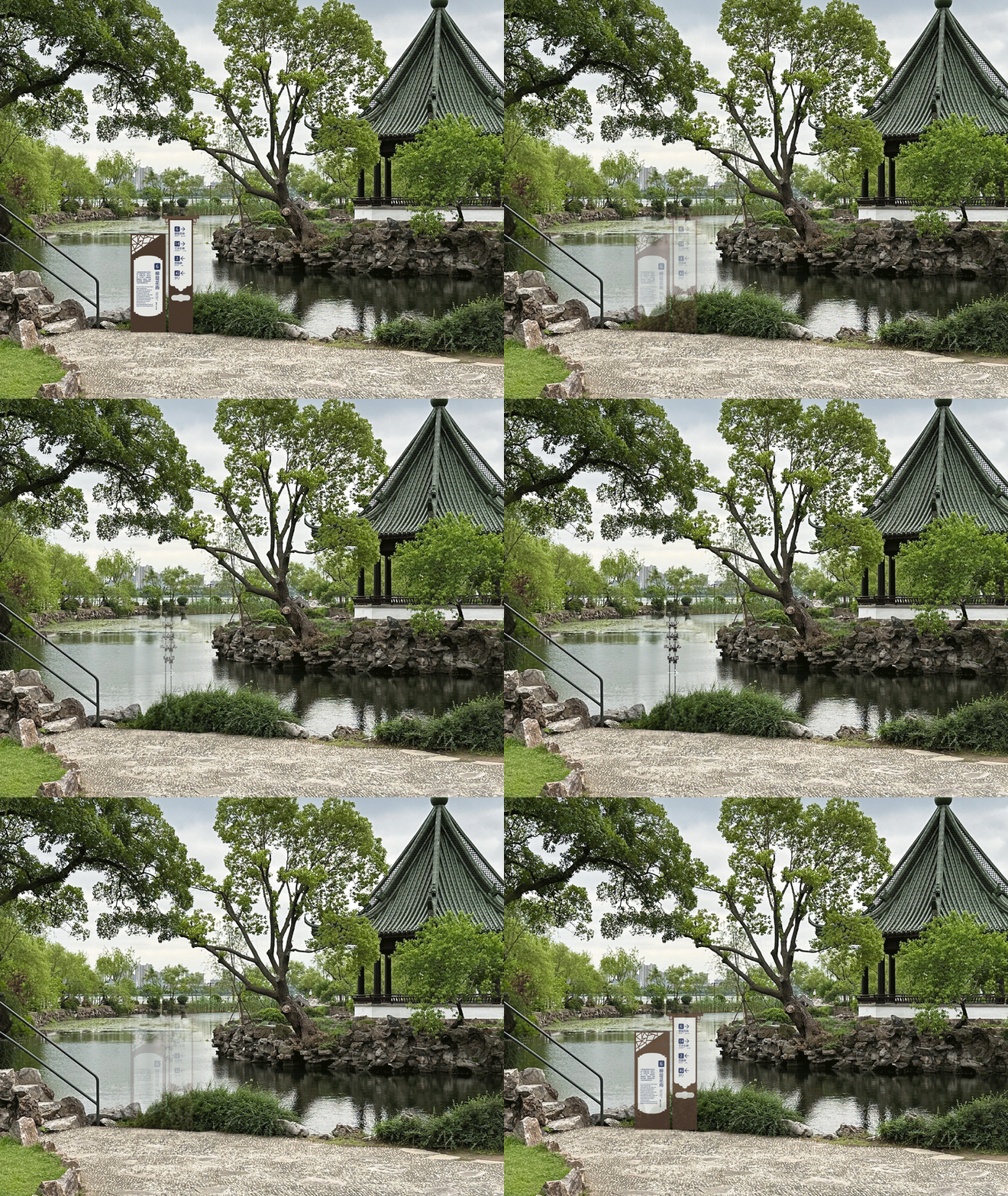


基于此,蠡园的环境导示设计采取“去繁就简”的策略:强调信息本体,弱化承载背板,使信息仿佛“漂浮”于景观之间。背板的去除让标识的可视面积减少约80%,却在信息尺度上略有放大,在视觉传达上更加清晰。黑底白字的高对比度信息具备极佳可读性,配合简洁结构与清晰逻辑,既传递方向,又不分散注意力。
For Li Garden, To Three adopted a strategy of “subtraction and simplicity.”
The design emphasizes the information itself, minimizing the physical backing so that messages seem to “float” within the scenery. Removing the backing panels reduced the visible area by about 80%, while slightly enlarging the text scale for improved clarity. The high-contrast black-and-white typography ensures excellent legibility, paired with clean structures and clear logic — guiding visitors without drawing undue attention.
▽“去繁就简”的设计策略,在视觉传达上更加清晰


这种简约的处理,让导示信息自然融入环境之中,像一页被风轻轻翻开的园林说明书,在游人步行之间徐徐展开。
This minimal approach allows signage to merge naturally into its surroundings, like a page of a garden manual gently turning in the wind, unfolding as visitors walk.
▽自然融入环境之中的导示信息


每组信息均作为独立模块,由金属板依字体外形一体雕刻而成。字体与底板的细腻处理,在视觉美感与结构连接之间取得平衡。标识既能雅致地融入景观,又能在需要时清晰突出,承担导向功能。字体间的连接底板提升整体稳定性,避免独立字笔画缺失问题,也降低了人为破坏的风险,从而确保在户外环境中的长期使用。信息的模块化设计使其能够灵活更新,而无需完全替换,从而提升材料利用效率。
Each information module is independently crafted, cut from metal according to the outline of the typography. The refined balance between visual aesthetics and structural connection ensures that each piece both blends gracefully into the scenery and stands out when needed.
The connecting plate between letters enhances structural stability, prevents stroke breakage, and reduces vandalism — ensuring long-term outdoor durability. The modular system also allows for flexible updates without full replacement, improving material efficiency.
▽导视牌由金属板依字体外形一体雕刻而成


背部结构采用纵横搭接的支架方式,呼应中国古典建筑的梁柱逻辑。简洁的结构保持了视觉的轻盈感,与园林景观浑然一体。开放的框架减少了遮挡,让信息的存在不破坏环境的宁静。游客在获取指引的同时,仍可沉浸于文化与美学的体验之中。设计所营造的整体感与融洽度,让人自然生出“它本就属于这里”的感觉——正如园林自身的秩序那般内敛而丰盈。
The back structure adopts a vertical-horizontal bracing logic, echoing the beam-and-column system of traditional Chinese architecture. This simple framework maintains visual lightness and harmony with the landscape. The open structure minimizes obstruction, allowing information to coexist quietly within the garden’s calm atmosphere. Visitors receive guidance while remaining immersed in the cultural and aesthetic experience.
The resulting sense of unity and integration evokes a natural feeling that “it has always belonged here,” just as the garden’s own order is inward and abundant.
Cultural and Social Value
▽设计推演


蠡园的导示系统在文化遗产与现代功能之间建立平衡。它在满足公共环境信息需求的同时,保留了审美的克制与比例的和谐。优雅、清晰而沉静的表达,不仅提升了园林的使用体验,也体现了对高品质公共空间的承诺。
The wayfinding system at Li Garden creates a delicate balance between heritage preservation and modern function. While meeting the practical needs of public navigation, it preserves aesthetic restraint and proportional harmony. The elegant, clear, and tranquil expression enhances the visitor experience while embodying a commitment to high-quality public space.
▽优雅、清晰而沉静的视觉体验


从社会层面看,该设计以尊重文化的导示信息,提升了游览体验,促进包容性参观,引导公众更深入地理解历史环境。它在保护与使用之间找到平衡,不只是功能设施,更是一种文化延续。
From a social perspective, this culturally sensitive design enriches the visitor experience, encourages inclusive participation, and deepens public understanding of the historical environment. It finds equilibrium between preservation and use — not merely as infrastructure, but as a continuation of culture.


在某种意义上,这样的设计,正是为江南园林重新撰写的一份说明书——以当代的简洁语言,复述古典园林的秩序与美感,让游人得以在信息与风景之间找到和谐共处的路径。
In a sense, this design becomes a new manual for Jiangnan gardens — rewriting it in contemporary, minimalist language to reinterpret classical order and beauty, guiding visitors toward a harmonious coexistence of information and landscape.

项目:蠡园
地址:无锡市
客户:无锡市蠡园公园管理处
设计公司:图石设计
完成时间:2025.2月
设计团队:何杨、张沛楠、黄淇、吕载龙、李强来、黄子笑、胡玉卓、邹建宇
施工单位:江苏博沃建筑工程公司
摄影:何杨、黄淇(助理)
图像编辑:吕载龙、孙研博
内容编辑:孙研博
Project: Li Garden
Location: Wuxi, China
Client: Wuxi Li Garden Park Administration
Design Firm: To Three
Completion: February 2025
Design Team: He Yang, Zhang Peinan, Huang Qi, Lü Zailong, Li Qianglai, Huang Zixiao, Hu Yuzhuo, Zou Jianyu
Construction: Jiangsu Bowor Construction Co.
Photography: He Yang, Huang Qi (Assistant)
Image Editing: Lü Zailong, Sun Yanbo
Content Editing: Sun Yanbo
“ 一部写在空间里的江南园林说明书,让人从信息的线条与结构中,读出园林的节奏与秩序。”
审稿编辑:Maggie
更多 Read more about: To Three 图石设计


这套导视系统做的真不错·很好看也很耐看。就像画卷里的备注一样